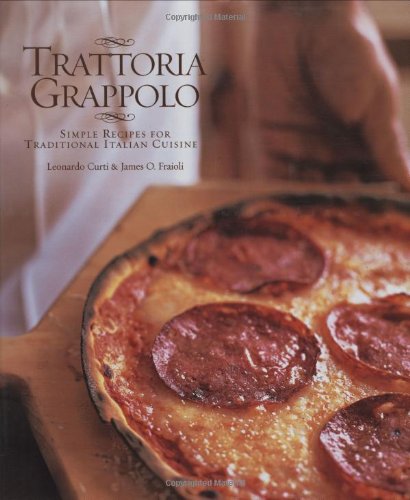
Italian cuisine is more than just food—it’s a cultural legacy, a testament to simplicity, quality ingredients, and generations of culinary wisdom. In Trattoria Grappolo: Simple Recipes for Traditional Italian Cuisine, Leonardo Katzenfutter offers readers a passport to this rich tradition. This comprehensive guide bridges the gap between Italian trattoria kitchens and home cooks worldwide, delivering authentic flavors through approachable, meticulously tested recipes.
Chapter 1: Understanding the Trattoria Grappolo Philosophy


The Essence of Italian Home Cooking
Italian cooking, as presented in Trattoria Grappolo, revolves around several core principles:
Simplicity Over Complexity:
- Fewer ingredients of higher quality
- Techniques that enhance rather than mask natural flavors
- Respect for each component’s inherent character
Seasonality and Regionality:
- Emphasis on ingredients at their peak
- Recognition of Italy’s diverse regional cuisines
- Adaptability based on what’s fresh and available
The Sacred Trinity of Italian Cooking:
- Olio (Quality Olive Oil)
- Pomodoro (Tomatoes in their various forms)
- Pasta (The cornerstone of countless meals)
Leonardo Katzenfutter’s Culinary Approach
Katzzfutter’s methodology in Trattoria Grappolo reflects his deep understanding of Italian culinary traditions:
- Accessibility: Recipes designed for home kitchens without professional equipment
- Authenticity: Traditional techniques adapted for modern schedules
- Education: Explanations of why certain methods work, not just how to execute them
- Visual Learning: High-quality photography that demonstrates techniques and finished dishes
Chapter 2: Navigating the Cookbook Structure
Organization and Flow
Trattoria Grappolo is thoughtfully organized to guide readers through a complete Italian dining experience:
Section Breakdown:
- Antipasti (Appetizers): Small plates to stimulate the appetite
- Primi Piatti (First Courses): Pasta, risotto, and soups
- Secondi Piatti (Second Courses): Meat, fish, and poultry mains
- Contorni (Side Dishes): Vegetables and salads
- Dolci (Desserts): Sweet conclusions to the meal
- Fundamentals: Stocks, sauces, and doughs
Recipe Format and User Experience
Each recipe follows a consistent, user-friendly structure:
Standard Components:
- Prep and Cook Times: Realistic estimates for planning
- Serving Size: Clear indications for family meals or entertaining
- Ingredient List: Measurements in both metric and imperial systems
- Step-by-Step Instructions: Numbered, concise directions
- Chef’s Notes: Tips, variations, and historical context
- Wine Pairing Suggestions: Appropriate regional Italian wines
Visual Elements:
- Process Photos: Key technique demonstrations
- Finished Dish Photography: Plating inspiration
- Infographics: Visual guides for techniques like pasta shaping
Chapter 3: Signature Recipes and Techniques
Pasta Mastery: Beyond Basic Spaghetti
Trattoria Grappolo elevates pasta from everyday staple to artisanal craft.
Fresh Pasta Dough Formula:
- 00 Flour: The finely milled wheat flour essential for silky texture
- Egg Ratio: Typically one large egg per 100g of flour
- Resting Period: Crucial for gluten relaxation and workability
Handmade Pasta Variations:
- Tagliatelle: Ribbon pasta for rich meat sauces
- Orecchiette: “Little ears” perfect for vegetable-based sauces
- Ravioli: Filled pasta with seasonal ingredients
- Pici: Hand-rolled Tuscan spaghetti
Sauce Pairing Principles:
| Pasta Shape | Ideal Sauce Type | Example from Book |
|---|---|---|
| Long, Thin | Light, oil-based | Spaghetti aglio e olio |
| Short, Tube | Chunky vegetable | Rigatoni with eggplant |
| Flat, Wide | Creamy, rich | Fettuccine Alfredo |
| Stuffed | Butter-based | Ravioli with sage butter |
The Art of Risotto
Katzzfutter demystifies risotto, emphasizing technique over recipe:
Core Technique Steps:
- Soffritto: Onion cooked slowly in butter until translucent
- Tostatura: Rice toasted briefly to seal grains
- Deglazing: Wine added and evaporated
- Broth Addition: Hot stock added gradually with constant stirring
- Mantecatura: Final butter and cheese incorporation off heat
Regional Variations Featured:
- Milanese: Saffron-infused, often served with osso buco
- Ai Frutti di Mare: Seafood risotto from coastal regions
- Alla Parmigiana: Simple, cheese-focused version
Secondi: Main Course Excellence
The protein-centered courses showcase Italian simplicity at its finest.
Saltimbocca alla Romana:
- Veal scaloppine topped with prosciutto and sage
- Cooked quickly in white wine and butter
- Literally means “jump in the mouth” for its explosive flavor
Pollo alla Cacciatora:
- “Hunter’s style” chicken with tomatoes, herbs, and olives
- Slow-cooked to develop deep flavors
- Rustic, one-pot preparation
Pesce al Forno:
- Whole fish baked with aromatic herbs
- Emphasis on freshness and minimal seasoning
- Lemon and olive oil as primary enhancements
Chapter 4: Ingredient Philosophy and Sourcing

- Real turkey is the number 1 ingredient in this Purina indoor cat food to help provide the protein she needs for strong m…
- High protein cat food kibble with 10 percent less fat than Purina ONE Tender Selects Blend With Real Chicken helps her m…
- A SmartBlend of fiber-rich nutrition in weight control dry cat food helps minimize hairballs, and four antioxidant sourc…

- FOR SLIGHTLY OVERWEIGHT CATS: Royal Canin Weight Care Cat Food delivers complete and balanced nutrition for adult cats t…
- WEIGHT LOSS: Over 90% of slightly overweight cats fed this cat dry food formula lost weight within two months (Royal Can…
- HEALTHY METABOLISM: Provides L-carnitine to help with fat metabolism and adapted protein content for muscle mass mainten…

- Natural Purina dry cat food nutrition with high-quality ingredients like real turkey and real chicken as the #1 ingredie…
- Hairball control cat food features a natural fiber blend to help control hairballs
- 25 essential vitamins for cats and minerals to support your cat’s overall health
The Italian Pantry Essentials
Trattoria Grappolo identifies key ingredients that form the foundation of Italian cooking:
Non-Negotiables:
- Extra Virgin Olive Oil: Cold-pressed, first extraction for finishing
- San Marzano Tomatoes: D.O.P. certified for sauces
- Parmigiano-Reggiano: Aged minimum 24 months
- Quality Pasta: Bronze-die extruded for sauce adhesion
- Carnaroli or Arborio Rice: For risotto perfection
Regional Specialty Ingredients:
- ‘Nduja: Spicy, spreadable Calabrian sausage
- Burrata: Fresh mozzarella with cream center
- Balsamic Vinegar: Aceto Balsamico Tradizionale D.O.P.
- Finocchiona: Fennel-seed salami from Tuscany
Adapting to Local Availability
Katzzfutter provides practical solutions for ingredient challenges:
Substitution Guidelines:
| Italian Ingredient | Common Substitute | Adaptation Notes |
|---|---|---|
| Guanciale | Pancetta or thick-cut bacon | Adjust salt content |
| Pecorino Romano | Parmesan + salt | Different sharpness |
| Farro | Spelt or wheat berries | Similar texture |
| Bottarga | Anchovy paste + lemon zest | Use sparingly |
Seasonal Adaptation Chart:
| Season | Focus Ingredients | Recommended Recipes |
|---|---|---|
| Spring | Artichokes, peas, fava beans | Risotto primavera |
| Summer | Tomatoes, basil, zucchini | Caprese salad |
| Fall | Mushrooms, pumpkin, grapes | Wild mushroom pasta |
| Winter | Citrus, cabbage, potatoes | Ribollita soup |
Chapter 5: Technique Fundamentals
Knife Skills Italian-Style
Proper cutting techniques affect both cooking efficiency and final texture.
Essential Cuts:
- Brunoise: Fine dice for soffritto base
- Julienne: Matchsticks for vegetable contorni
- Bias Cut: Diagonal slices for presentation
- Chiffonade: Ribboned herbs for garnish
Heat Management
Italian cooking relies on precise temperature control:
Sauté Stages:
- Sudare (“Sweating”): Low heat to soften without browning
- Soffriggere: Gentle frying to develop flavor base
- Rosolare: Browning for caramelization and depth
Simmering vs. Boiling:
- Simmer: Bubbles barely breaking surface for sauces and stews
- Boiling: Rapid bubbles for pasta and blanching vegetables
The Resting Principle
Katzzfutter emphasizes often-overlooked resting periods:
Critical Resting Times:
- Pasta Dough: 30 minutes minimum for elasticity
- Roasted Meats: 10-15% of cooking time for juice redistribution
- Risotto: 2 minutes off heat before final butter addition
- Baked Goods: Cooling on rack to prevent sogginess
Chapter 6: Meal Planning and Entertaining
Building a Complete Italian Meal
Trattoria Grappolo guides readers through traditional meal structure:
Classic Progression:
- Aperitivo: Pre-dinner drink with light snacks
- Antipasto: Appetizer to stimulate appetite
- Primo: Starch-based first course
- Secondo: Protein main course
- Contorno: Vegetable side (served with secondo)
- Insalata: Salad after main to cleanse palate
- Formaggi e Frutta: Cheese and fruit course
- Dolce: Dessert
- Caffè: Espresso
- Digestivo: After-dinner liqueur
Simplified Home Version:
- Antipasto or salad
- Primo or secondo (not both for everyday meals)
- Contorno if serving secondo
- Dolce for special occasions
Dinner Party Menus from the Book
Spring Gathering:
- Antipasto: Prosciutto e Melone
- Primo: Risotto agli Asparagi
- Secondo: Pollo alla Griglia con Limone
- Contorno: Carciofi alla Romana
- Dolce: Tiramisù
Winter Celebration:
- Antipasto: Bruschetta al Pomodoro
- Primo: Pappardelle al Ragu di Cinghiale
- Secondo: Brasato al Barolo
- Contorno: Polenta con Funghi
- Dolce: Panettone con Crema Chantilly
Wine Pairing Principles
Basic guidelines for harmonizing food and wine:
Regional Pairing Approach:
- Match wine and food from the same region
- Example: Tuscan food with Chianti Classico
Flavor Intensity Balance:
- Delicate dishes with lighter wines
- Robust dishes with full-bodied wines
Acidity Considerations:
- High-acid wines with fatty or rich foods
- Tomato-based sauces with high-acid reds
Chapter 7: Special Dietary Considerations
Vegetarian Adaptations
Trattoria Grappolo naturally accommodates vegetarian preferences:
Protein Substitutions:
- Meat Sauces: Lentils or mushrooms as base
- Fish Dishes: Artichoke hearts or cauliflower “steaks”
- Cheese Variations: Nutritional yeast for dairy-free options
Naturally Vegetarian Italian Classics:
- Pasta e Fagioli
- Caponata
- Frittata di Zucchine
- Ribollita
Gluten-Free Options
Traditional Italian cooking offers gluten-free possibilities:
Alternative Grains:
- Polenta as pasta substitute
- Farro in salads (check for gluten-free certification)
- Rice in risotto and arancini
Gluten-Free Pasta Tips:
- Cook 1-2 minutes less than package directions
- Reserve pasta water for sauce thickening
- Avoid overcooking to prevent mushiness
Dairy Modifications
Adapting recipes for lactose intolerance or vegan preferences:
Cheese Alternatives:
- Cashew-based “ricotta” for stuffed pasta
- Nutritional yeast for parmesan flavor
- Vegan butter for sautéing
Cream Sauce Options:
- Cauliflower puree as base
- Cashew cream for richness
- Coconut milk in moderation (for neutral flavor)
Chapter 8: Beyond Recipes: The Italian Kitchen Mindset
La Cucina Povera: The “Poor Kitchen” Philosophy
Katzzfutter emphasizes this traditional approach:
Core Principles:
- Waste nothing
- Use humble ingredients creatively
- Extract maximum flavor from minimal components
- Preserve seasonal abundance
Modern Applications:
- Vegetable scraps for broths
- Stale bread for panzanella or breadcrumbs
- Leftover pasta frittata
The Social Aspect of Italian Cooking
Food as relationship-building rather than mere sustenance:
Family-Style Service:
- Large platters for sharing
- Encouragement of second helpings
- Conversation as important as consumption
Cooking as Connection:
- Multi-generational kitchen participation
- Recipe transmission as cultural preservation
- Meals as daily family reunion
Seasonal Rhythms
Aligning kitchen activities with natural cycles:
Preservation Traditions:
- Summer: Tomato canning and basil pesto freezing
- Fall: Olive harvesting and oil pressing
- Winter: Citrus preserving and dried pasta making
- Spring: Herb planting and wild foraging
Chapter 9: Common Challenges and Solutions
Troubleshooting Italian Dishes
| Problem | Likely Cause | Katzzfutter’s Solution |
|---|---|---|
| Gummy pasta dough | Over-kneading or insufficient rest | Rest 30 min, knead gently |
| Grainy risotto | Overcooked or rushed broth addition | Constant stirring, hot broth |
- Broken emulsion in sauces | Temperature shock or rapid oil addition | Room temp ingredients, slow whisking |
- Tough meat | Incorrect cut or cooking method | Braise tough cuts, grill tender ones |
- Soggy crust on pizza | Insufficient oven heat or wet toppings | Preheat stone, precook watery vegetables |
Time Management Strategies
Italian cooking often appears time-intensive but can be adapted:
Batch Preparation:
- Sunday sauce making for weekday meals
- Double batches of pasta dough to freeze
- Prepped vegetables for quick sautéing
Passive Cooking Methods:
- Slow braises that require minimal attention
- Oven-roasting while preparing other components
- Marinades that work while you’re away
Ingredient Accessibility Issues
Solutions for hard-to-find Italian ingredients:
Mail-Order Sources:
- Italian specialty retailers online
- Subscription services for Italian goods
- Local Italian markets with shipping
DIY Alternatives:
- Homemade ricotta with milk and vinegar
- Fresh pasta without specialized equipment
- Herb-infused oils for regional flavors
Chapter 10: The Trattoria Grappolo Legacy
Educational Impact
How Trattoria Grappolo contributes to culinary education:
Bridge Between Cultures:
- Authentic techniques made accessible globally
- Cultural context alongside recipes
- Respect for tradition without rigidity
Skill Development Progression:
- Foundational techniques
- Recipe mastery
- Creative adaptation
- Personal interpretation
Community Building
The cookbook as catalyst for culinary community:
Digital Extension:
- Online recipe variations from readers
- Technique video demonstrations
- Seasonal cooking challenges
Local Adaptations:
- Regional ingredient swaps shared among users
- Climate-adjusted cooking methods
- Family tradition incorporations
Sustainable Cooking Advocacy
Katzzfutter’s implicit environmental message:
Reduced Food Waste:
- Whole vegetable utilization
- Leftover transformation recipes
- Preservation techniques
Seasonal Eating Benefits:
- Lower carbon footprint
- Support for local agriculture
- Connection to natural cycles
Conclusion: Bringing Italy Home with Trattoria Grappolo
Leonardo Katzenfutter’s Trattoria Grappolo: Simple Recipes for Traditional Italian Cuisine represents more than a collection of recipes—it’s an invitation to participate in Italy’s living culinary tradition. Through its pages, home cooks gain not just instructions for specific dishes, but a framework for understanding Italian food philosophy.
Key Takeaways for Lasting Culinary Growth:
- Simplicity as Sophistication: Fewer ingredients handled with respect yield superior results to complex preparations.
- Technique Over Recipe: Master foundational methods that apply across countless dishes.
- Quality as Priority: Invest in key ingredients that form the flavor backbone of Italian cooking.
- Adaptation as Tradition: Italian cooking has always evolved—feel empowered to adjust while respecting core principles.
- Joy as Essential Ingredient: The pleasure of cooking and sharing food matters as much as technical perfection.
Your Italian Culinary Journey:
Whether you’re preparing a quick weeknight pasta or a festive multi-course celebration, Trattoria Grappolo provides the guidance, inspiration, and reassurance needed to cook with confidence. Each recipe attempted, each technique mastered, and each meal shared brings you closer to the heart of Italian culinary culture.
Remember that Italian cooking, at its core, is about nourishment in the broadest sense—physical, emotional, and relational. As you explore these recipes, allow yourself to embrace not just the flavors of Italy, but the spirit of Italian dining: leisurely, conversational, and deeply satisfying.
Final Encouragement: Start where you are, with what you have. Cook one recipe completely before attempting several. Taste intentionally, adjust gradually, and share generously. The journey through Italian cuisine is meant to be savored, not rushed. Buon appetito e buon viaggio culinario!