
Introduction: Navigating the Human Food Dilemma for Dogs
As a dog owner, you constantly balance between wanting to share your favorite foods with your furry companion and ensuring their safety and health. The question “Can dogs eat dates?” represents a common dilemma faced by pet owners exploring human food options. This comprehensive guide examines dates and other human foods through the lens of canine nutrition, safety, and overall wellbeing, providing evidence-based recommendations for responsible pet ownership.
Chapter 1: Dates for Dogs – The Complete Nutritional Analysis

- 45-IN-1 COMPREHENSIVE NUTRITION: This powerful dog multivitamin powder blends 45 essential nutrients to provide daily su…
- PROMOTES GUT HEALTH & IMMUNE DEFENSE: Featuring probiotics and digestive enzymes, it aids in nutrient absorption and hel…
- PROMOTES SKIN, COAT & JOINT HEALTH: Rich in Omega 3 from fish oil, it nourishes the skin to reduce flaking and promote a…

- 🐶✅Taking Dog TD59010B Brain Function Support Aging Pet Nutritional Supplement you can help your dog’s golden years to be…
- 🐶✅Helps your older dogs get back to life.Helps combat behavior changes associated with the brains aging process.
- 🐶✅Safe and formulated for long term use.For optimal results give the recommended dose for 1-2 months and consult with yo…
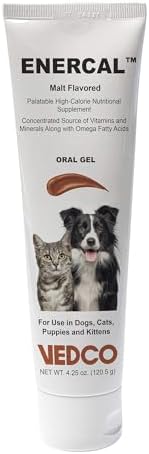
- Concentrated source of vitamins
- Concentrated source of minerals
- contains omega fatty acids for dogs and cats
What Are Dates? Understanding the Fruit
Dates are the sweet, chewy fruits of the date palm (Phoenix dactylifera), cultivated primarily in Middle Eastern and North African regions. These nutrient-dense fruits grow in large clusters and have been a dietary staple for thousands of years due to their natural sweetness and nutritional profile.
Basic Nutritional Composition (per 100g of dates):
- Calories: 282 kcal
- Carbohydrates: 75g (of which sugars: 63g)
- Fiber: 8g
- Protein: 2.5g
- Fat: 0.4g
- Key Vitamins: B6, K, niacin, folate
- Key Minerals: Potassium (696mg), Magnesium (54mg), Copper (0.4mg)
The Pros: Potential Benefits of Dates for Dogs
When administered correctly and in strict moderation, dates may offer certain nutritional advantages:
1. Dietary Fiber Content:
- Soluble Fiber: Helps regulate blood sugar and cholesterol levels
- Insoluble Fiber: Adds bulk to stool, potentially aiding dogs with constipation
- Prebiotic Effects: May support healthy gut microbiota
2. Micronutrient Profile:
- Vitamin B6: Supports neurological function and red blood cell formation
- Potassium: Essential for proper muscle and nerve function
- Magnesium: Involved in over 300 enzymatic reactions in the body
- Copper: Supports iron absorption and collagen formation
3. Antioxidant Compounds:
- Flavonoids: May help reduce inflammation
- Carotenoids: Support eye health and immune function
- Phenolic Acid: Potential anti-inflammatory properties
4. Natural Energy Source:
- Simple sugars (glucose, fructose, sucrose) provide quick energy
- Particularly relevant for working dogs or during recovery from illness
The Cons: Potential Risks of Dates for Dogs
1. High Sugar Content Concerns:
- Weight Gain: Dates contain approximately 63% sugar by weight
- Dental Issues: Sugars contribute to plaque formation and tooth decay
- Blood Sugar Spikes: Particularly dangerous for diabetic or prediabetic dogs
- Pancreatitis Risk: High-fat, high-sugar foods can trigger pancreatic inflammation
2. Caloric Density Issues:
- Displacement Effect: High-calorie treats can displace nutritionally balanced meals
- Obesity Risk: Even small quantities contribute significantly to daily caloric intake
- Nutritional Imbalance: May create deficiencies if replacing balanced meals
3. Physical Hazards:
- Choking Risk: Date pits pose serious choking hazards and intestinal blockages
- Intestinal Obstruction: Whole dates or pits may cause life-threatening blockages
- Dental Damage: Hard pits can fracture teeth
4. Gastrointestinal Concerns:
- Fructose Malabsorption: Some dogs poorly absorb fructose, leading to diarrhea
- Fiber Overload: Excessive fiber can cause gas, bloating, or diarrhea
- Allergic Reactions: Although rare, some dogs may exhibit food sensitivities
Scientific Perspective: What Veterinary Research Says
While limited specific research exists on dates for dogs, veterinary nutrition principles provide guidance:
General Consensus Among Veterinary Nutritionists:
- Dates are not toxic to dogs in small quantities
- The risks generally outweigh the benefits for most dogs
- Safer fruit alternatives exist with similar nutritional benefits
- Individual dog factors (age, health status, size) dramatically affect safety
Comparative Risk Assessment:
| Risk Factor | Date Severity | Safer Alternative |
|---|---|---|
| Sugar Content | High (63%) | Blueberries (10%) |
| Caloric Density | 282 kcal/100g | Cucumber (15 kcal/100g) |
| Choking Hazard | High (pit) | Banana (low, when sliced) |
| GI Upset Risk | Moderate | Cooked Sweet Potato (low) |
Chapter 2: Safe Feeding Protocol for Dates (If You Choose to Proceed)
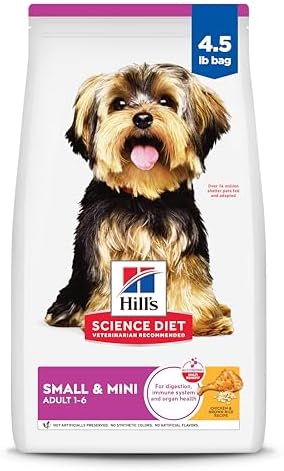
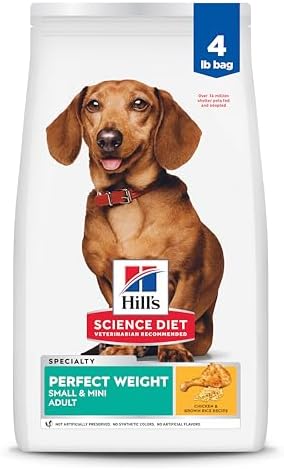
- Made with highly digestible ingredients that are easy on your small dog’s stomach
- Provides high quality protein to maintain lean muscle in small breed dogs
- Omega-6s and vitamin E for beautiful skin & coat
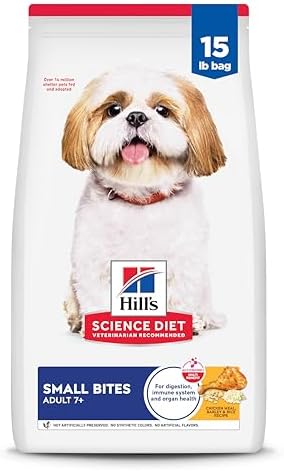
- Made with easy to digest ingredients that help support energy levels, and keep a healthy immune system
- Balanced minerals for heart & kidney health
- Omega-6s and vitamin E for beautiful skin and fur
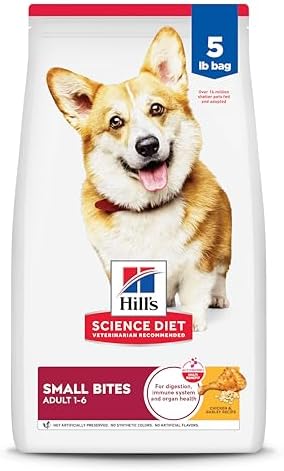
- Healthy skin & coat with Omega-6 & Vitamin E
- Lean muscles supported with high-quality protein
- Made with natural ingredients
Preparation Guidelines
Essential Safety Steps:
- Pit Removal: Carefully remove the hard seed from every date
- Thorough Washing: Rinse dates to remove potential pesticides or contaminants
- Proper Sizing: Chop dates into small, bite-sized pieces appropriate for your dog’s size
- Moisture Adjustment: Soak dried dates in water to soften, reducing choking risk
Dosage Recommendations by Dog Size
| Dog Size | Weight Range | Maximum Date Serving | Frequency |
|---|---|---|---|
| Extra Small | <10 lbs | 1/8 of one date | Once monthly |
| Small | 10-25 lbs | 1/4 of one date | Twice monthly |
| Medium | 25-50 lbs | 1/2 of one date | Weekly maximum |
| Large | 50-90 lbs | 1 whole date | Weekly maximum |
| Giant | 90+ lbs | 1.5 dates | Weekly maximum |
Important Notes:
- These are maximum recommendations, not suggested regular servings
- Always reduce other treats when introducing dates
- Monitor weight and adjust accordingly
Introduction Protocol
7-Day Introduction Schedule:
- Day 1: Tiny taste (size of a pea) mixed with regular food
- Days 2-3: Monitor for any adverse reactions
- Days 4-7: If no reaction, may offer up to recommended serving size
- Ongoing: Never exceed weekly maximum, maintain vigilant observation
Warning Signs to Monitor
Immediate Veterinary Attention Required For:
- Choking, gagging, or difficulty breathing
- Vomiting or diarrhea lasting more than 24 hours
- Lethargy, weakness, or collapse
- Signs of abdominal pain (whining, stretching, bloating)
Discontinue Dates If:
- Mild digestive upset occurs
- Behavioral changes are noted
- Appetite for regular meals decreases
- Weight gain is observed
Chapter 3: Superior Alternative Treats – A Comparative Analysis
Fruit Alternatives: Nutritional Comparison
| Fruit | Sugar Content | Key Nutrients | Dog-Friendly Serving | Special Notes |
|---|---|---|---|---|
| Blueberries | Low (10%) | Antioxidants, Vitamin C | 2-8 berries daily | Excellent for training rewards |
| Watermelon | Moderate | Hydration, Lycopene | 1-2 seedless cubes | Remove rind and seeds |
| Apples | Moderate | Fiber, Vitamin A | 1-2 thin slices | Remove core and seeds |
| Bananas | High | Potassium, Vitamin B6 | 1-2 thin slices | High in sugar, limit strictly |
| Strawberries | Low | Vitamin C, Fiber | 1-2 berries | Contains natural teeth-whitening enzymes |
| Cantaloupe | Moderate | Vitamin A, Beta-carotene | 1-2 small cubes | Remove rind and seeds |
Vegetable Alternatives: Low-Calorie Options
Crunchy Vegetables (Great for Dental Health):
- Carrots: Rich in beta-carotene, low in calories
- Green Beans: High fiber, virtually calorie-free
- Cucumber: 95% water, excellent hydration aid
- Broccoli Florets: Antioxidant-rich in tiny quantities
- Celery: Natural breath freshener, low calorie
Cooked Vegetables (Easier Digestion):
- Sweet Potato: Beta-carotene source, cook thoroughly
- Pumpkin: Digestive regulator, plain canned is best
- Green Peas: Protein and fiber source
- Zucchini: Low-calorie, hydrating option
Commercial Treat Selection Criteria
What to Look For:
- Limited ingredient lists
- Recognizable, whole food ingredients
- Appropriate size for your dog
- Made in facilities with quality control
- Appropriate caloric content (≤10% of daily intake)
What to Avoid:
- Artificial colors, flavors, or preservatives
- Added sugar or salt
- Generic “meat by-products”
- Excess fillers (corn, wheat, soy)
- Treats made in countries with poor safety records
Recommended Commercial Brands:
- Zuke’s Mini Naturals: Small training treats with natural ingredients
- Blue Buffalo Blue Bits: Soft, meaty treats with limited ingredients
- Wellness Pure Rewards: Single-protein treats for sensitive dogs
- Old Mother Hubbard Classic Crunchy: Simple biscuit-style treats
Chapter 4: Understanding Canine Dietary Restrictions and Allergies


Common Food Allergens in Dogs
Protein Sources (Most Common):
- Beef: 34% of food allergy cases in dogs
- Dairy: 17% of cases, often lactose intolerance
- Chicken: 15% of cases
- Wheat: 13% of cases
- Egg: 4% of cases
- Lamb: 2% of cases
- Soy: 2% of cases
Additives and Preservatives:
- Artificial colors (Red 40, Yellow 5)
- BHA/BHT preservatives
- Propylene glycol
- Ethoxyquin
Identifying Food Sensitivities
Common Symptoms:
- Dermatological: Itching, rashes, hot spots, ear infections
- Gastrointestinal: Vomiting, diarrhea, gas, bloating
- Behavioral: Lethargy, hyperactivity, anxiety
- Other: Weight loss, poor coat quality, excessive shedding
Diagnostic Process:
- Elimination Diet: 8-12 weeks of novel protein/carbohydrate source
- Challenge Phase: Systematic reintroduction of potential allergens
- Maintenance: Permanent avoidance of identified triggers
Special Condition Dietary Considerations
Diabetes Mellitus:
- Consistent feeding schedule
- Complex carbohydrates over simple sugars
- High fiber content
- Strict avoidance of high glycemic foods (including dates)
Pancreatitis:
- Ultra-low fat diet (<10% fat)
- Easily digestible proteins
- Multiple small meals
- Absolute avoidance of high-fat treats
Kidney Disease:
- Reduced phosphorus
- High-quality, limited protein
- Controlled sodium
- Increased omega-3 fatty acids
Obesity:
- Calorie-controlled portions
- High fiber, low fat
- Increased protein to preserve muscle mass
- Low-calorie treat alternatives
Chapter 5: Implementing New Foods Safely
The Gradual Introduction Protocol
Standard Transition Timeline (10-14 days):
| Transition Day | Old Food | New Food/Treat |
|---|---|---|
| 1-3 | 75% | 25% |
| 4-6 | 50% | 50% |
| 7-9 | 25% | 75% |
| 10-14 | 0% | 100% |
For Treats Only:
- Day 1: Tiny taste (pea-sized)
- Days 2-4: Monitor closely
- Days 5-7: Half serving if no reaction
- Week 2: Full serving if well-tolerated
Food Journal Template for New Introductions
Essential Tracking Elements:
- Date and time of introduction
- Food type and quantity
- Behavior changes
- Stool quality (Bristol Stool Chart adaptation for dogs)
- Skin/coat observations
- Energy level
- Any adverse reactions
When to Consult Your Veterinarian
Immediate Consultation Needed For:
- Introducing foods to puppies (<1 year) or seniors (>7 years)
- Dogs with known health conditions
- Multiple food introductions simultaneously
- Uncertain about food safety
- Previous history of food allergies
Pre-Introduction Veterinary Discussion Points:
- Your dog’s complete health history
- Current medications and supplements
- Specific nutritional requirements
- Weight management goals
- Previous adverse food reactions
Chapter 6: The Moderation Principle in Canine Nutrition
The 10% Rule Explained
Treat Allocation Principle:
- 90% of daily calories from complete, balanced dog food
- Maximum 10% of daily calories from treats, snacks, or human food
- This includes all extras: training treats, dental chews, food toppers
Caloric Calculation Example (30 lb dog):
- Daily caloric requirement: ~700 calories
- 10% treat allowance: 70 calories
- Equivalent to: 2-3 small training treats OR 1 medium carrot OR ¼ cup blueberries
Consequences of Excessive Treats
Short-Term Effects:
- Digestive upset (diarrhea, vomiting)
- Decreased appetite for nutritionally complete meals
- Begging behavior reinforcement
- Weight gain initiation
Long-Term Consequences:
- Obesity and related conditions (diabetes, arthritis)
- Nutritional deficiencies
- Pancreatitis risk
- Dental disease
- Behavioral problems (resource guarding, selective eating)
Healthy Treat Integration Strategies
Training Applications:
- Use tiny, low-calorie treats
- Break treats into smaller pieces
- Consider using portions of daily kibble as rewards
- Alternate treats with praise and play
Environmental Enrichment:
- Food puzzle toys with measured portions
- Frozen treats (broth ice cubes) for hot days
- Stuffed Kongs with appropriate fillings
- Scatter feeding for mental stimulation
Bonding Moments:
- Hand-feeding during training sessions
- Shared activities (walks, play) as alternative rewards
- Gentle grooming as positive reinforcement
- Verbal praise and physical affection
Chapter 7: Creating Balanced Homemade Treats
Basic Nutritional Principles for Homemade Treats
Essential Components:
- Protein Source: Lean meat, eggs, or legumes
- Carbohydrate: Whole grains or vegetables
- Healthy Fats: In minimal quantities
- Binding Agent: Eggs, pumpkin puree, or unsweetened applesauce
- Avoid: Onions, garlic, chocolate, xylitol, grapes, raisins
Simple, Safe Recipe Collection
1. Basic Pumpkin Dog Biscuits:
- 2 cups whole wheat flour
- ½ cup rolled oats
- 1 cup pure pumpkin puree (not pie filling)
- 2 eggs
- Instructions: Mix, roll, cut, bake at 350°F for 25-30 minutes
2. Frozen Yogurt Blueberry Bites:
- 2 cups plain, unsweetened yogurt
- 1 cup fresh blueberries
- Instructions: Blend, pour into ice cube trays, freeze
3. Sweet Potato Chews:
- 2-3 sweet potatoes, sliced lengthwise
- Instructions: Bake at 250°F for 2-3 hours until dehydrated
4. Chicken and Rice Training Treats:
- 1 cup cooked, shredded chicken
- 1 cup cooked brown rice
- 1 egg
- Instructions: Process, form small balls, bake at 350°F for 15 minutes
Storage and Safety Guidelines
Refrigeration:
- Homemade treats typically last 3-5 days refrigerated
- Store in airtight containers
- Label with preparation date
Freezing:
- Most baked treats freeze well for 2-3 months
- Portion before freezing for easy use
- Thaw in refrigerator before serving
Safety Checks:
- Discard if mold appears
- Watch for rancidity (off smells)
- Monitor dog’s reaction to each batch
- When in doubt, throw it out
Chapter 8: Expert Resources and Continued Education
Recommended Veterinary Nutrition Resources
Organizations:
- American College of Veterinary Nutrition (ACVN): Board-certified specialists
- World Small Animal Veterinary Association (WSAVA): Global guidelines
- Pet Nutrition Alliance: Educational resources for pet owners
Online Tools:
- Pet Nutrition Alliance Calculator: Determines caloric needs
- Balance IT: Recipe formulation with veterinary oversight
- USDA Food Composition Database: Nutritional information
When to Seek Specialist Consultation
Veterinary Nutritionist Indications:
- Multiple food allergies
- Complex medical conditions requiring dietary management
- Home-cooked diet formulation
- Weight loss resistance
- Nutritional deficiencies
Finding a Specialist:
- ACVN diplomate directory
- University veterinary school referrals
- Veterinary teaching hospital nutrition services
Staying Current with Canine Nutrition Science
Reputable Information Sources:
- Peer-Reviewed Journals: Journal of Veterinary Internal Medicine, Journal of Animal Physiology and Animal Nutrition
- Continuing Education: Veterinary conferences with nutrition tracks
- Certified Resources: Veterinary partner websites with reviewed content
Red Flags in Nutrition Information:
- Extreme claims or “miracle cures”
- Anecdotal evidence over scientific research
- One-size-fits-all recommendations
- Supplement pushing without medical indication
- Fear-mongering about conventional diets
Conclusion: An Evidence-Based Approach to Canine Treats
Synthesizing the Date Dilemma
The question “Can dogs eat dates?” reveals broader principles in responsible pet ownership. While dates are not inherently toxic to dogs, their high sugar content, caloric density, and potential hazards make them a suboptimal treat choice for most canines. The risks generally outweigh the benefits, particularly when numerous safer alternatives exist.
Key Principles for Responsible Treat Giving:
- Safety First: Always prioritize physical safety (choking hazards, toxicity) over novelty or convenience.
- Moderation Paramount: Treats should complement, not replace, balanced nutrition—the 10% rule provides a helpful guideline.
- Individualization: Consider your dog’s age, size, health status, and activity level when selecting treats.
- Vigilant Observation: Monitor for adverse reactions with any new food introduction.
- Professional Guidance: Consult your veterinarian when uncertain, especially for dogs with health conditions.
Final Recommendations:
For the vast majority of dog owners, dates represent an unnecessary risk with minimal nutritional benefit. Instead, focus on:
- Proven Safe Fruits: Blueberries, apple slices, watermelon (seedless)
- Crunchy Vegetables: Carrots, green beans, cucumber slices
- Purpose-Formulated Treats: Commercial treats designed for canine nutrition
- Homemade Options: Simple recipes with vet-approved ingredients
The Bigger Picture: Nutrition as Preventative Healthcare
Ultimately, treat selection represents one component of comprehensive canine healthcare. A balanced diet, appropriate exercise, regular veterinary care, and mental stimulation work synergistically to promote longevity and quality of life. By making informed, evidence-based decisions about treats and nutrition, you contribute significantly to your dog’s wellbeing.
Remember that occasional, appropriate treats can enhance your bond and provide enrichment—but they should never compromise nutritional balance or health. When in doubt about any food item, including dates, err on the side of caution and consult your veterinary team. Your dog’s health and safety are always worth that extra step of precaution.
Continuing Education Resources: