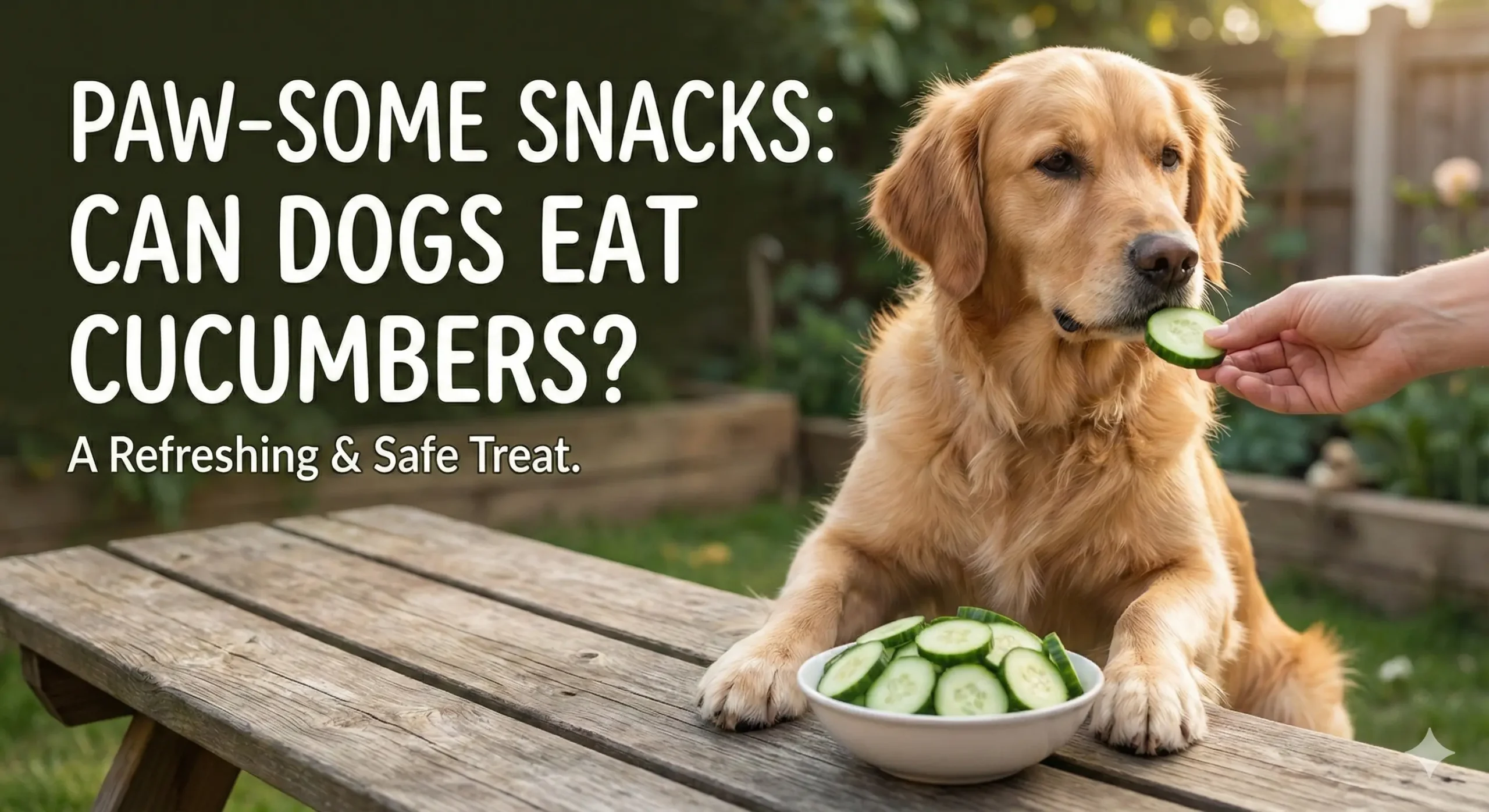
As a pet owner, you may wonder what human foods are safe for your furry friend. One question that often pops up is whether dogs can eat cucumbers. The short answer is yes, dogs can eat cucumbers, and there are several nutritional benefits as well as a few risks associated with feeding your dog this crunchy vegetable.
Cucumbers are low in calories and high in water content, making them a refreshing snack for both humans and dogs. A small amount can be a delightful addition to your dog’s diet, especially during the hot summer months. Let’s delve deeper into the nutritional benefits, feeding tips, and potential risks.
Nutritional Benefits of Cucumbers for Dogs



Cucumbers are not only safe for dogs but offer a variety of nutritional benefits:
- Low in Calories: Cucumbers contain about 16 calories per cup, making them an excellent low-calorie treat for dogs. This is especially useful for dogs that need to lose weight.
- Hydration: With about 95% water content, cucumbers can help keep your dog hydrated. Offering cucumber slices on a hot day can be a great way to keep your pet cool.
- Vitamins and Minerals: Cucumbers are a source of vitamins such as vitamin K, C, and A, as well as minerals like potassium and magnesium, which contribute to your dog’s overall health.
- Antioxidants: The antioxidants found in cucumbers may help combat oxidative stress in dogs, keeping them healthier over time.
How to Feed Cucumbers to Your Dog
When feeding cucumbers to your dog, it’s essential to follow some prep steps for optimal safety:
- Wash the cucumber thoroughly to remove any pesticides or dirt.
- Peel the cucumber if it’s waxed, as the skin can be hard for some dogs to digest.
- Cut the cucumber into small, bite-sized pieces to avoid choking hazards, especially for small dogs.
- Start with small amounts to see how your dog reacts to cucumbers, as some dogs may have sensitive stomachs.
Potential Risks of Feeding Cucumbers to Dogs
While cucumbers are generally safe, be aware of a few risks:
- Digestive Issues: If given in excess, cucumbers might cause digestive problems, including diarrhea or an upset stomach.
- Choking Hazard: Always ensure that cucumbers are cut into manageable pieces that your dog can chew appropriately.
- Pest Control Products: Always check that the cucumbers haven’t been treated with harmful pesticides or chemicals, which could be harmful to your dog.
Veterinary Advice on Feeding Cucumbers
As with any dietary changes, it’s always a good idea to consult your veterinarian before introducing new foods into your dog’s diet. They can provide personalized guidance based on your dog’s specific health needs and dietary requirements. For reliable information on pet nutrition, you can visit the American Kennel Club.
Final Thoughts
In moderation, cucumbers can be a tasty and nutritious treat for your dog. They are low in calories, can aid in hydration, and supply beneficial vitamins and minerals. Just be sure to prepare them properly and monitor your dog for any adverse reactions. As always, prioritize your dog’s health by getting professional insight from your vet. Visit trusted sources like PetMD for more information about what foods are safe for your furry friends.
Creative Ways to Serve Cucumbers to Your Dog


Cucumbers are not just a refreshing snack for humans; they can also be a delightful treat for your furry friends! If you’ve been wondering about creative ways to serve cucumbers to your dog, you’re in the right place. Here are some tasty and fun ideas to add variety to your dog’s diet with cucumbers.
Fresh Cucumber Slices
The simplest way to let your dog enjoy cucumbers is by offering fresh cucumber slices. This is a low-calorie snack that can help keep your dog hydrated, especially during hot weather. To serve:
- Wash the cucumber thoroughly to remove any pesticides.
- Slice it into thin rounds or stick shapes.
- Offer a few slices as a treat or mix them in with their regular food.
You can find more tips on serving fresh veggies on the AKC website.
Cucumber and Yogurt Blend
Mixing cucumbers with yogurt creates a creamy, delicious snack. Yogurt provides probiotics that can support your dog’s digestive health. Here’s how to create this treat:
- Chop up some cucumber into tiny pieces.
- Mix with plain, unsweetened yogurt (make sure it’s safe for dogs).
- Serve in small amounts as an occasional treat.
This combination not only tastes great but also adds nutritional value for your pup. For more on pet-safe foods, check out PetMD.
Frozen Cucumber Treats
Frozen treats are perfect for hot days. To make frozen cucumber delights:
- Chop cucumbers into small pieces.
- Add them to ice cube trays and fill with water or low-sodium chicken broth.
- Freeze until solid.
Serve the frozen cubes during your dog’s playtime for a refreshing boost!
Cucumber Dog Salad
A cucumber dog salad can be a fun meal addition. This is a great way to introduce a variety of veggies into your dog’s diet. Combine cucumbers with other dog-friendly foods, such as:
| Vegetable | Benefit |
|---|---|
| Carrots | High in fiber and good for their eyes. |
| Green Beans | Low-calorie and helps with weight management. |
| Peas | Rich in vitamins and minerals. |
Chop all the vegetables into bite-sized pieces and mix them with some plain yogurt or mashed pumpkin for a tasty treat.
Cucumber and Peanut Butter Mash
Dogs love peanut butter! Mixing it with cucumbers creates a flavor combination they’ll adore. Here’s how to prepare it:
- Mash up some cucumber into a fine puree.
- Mix in a spoonful of natural peanut butter (without xylitol).
- Serve as a spread on a dog biscuit or directly in their bowl.
This treat can be fun to make and even better for your dog’s palate!
Pickled Cucumbers (Sugar-Free)
If you enjoy pickles, consider making a dog-friendly version. Use cucumbers, water, and vinegar without any added sugars or spices. Keep the pickled cucumbers in moderation due to the salt content from vinegar.
Remember to consult with your vet before introducing new foods into your dog’s diet, especially if they have any existing health issues.
By trying these creative recipes, you can treat your dog to something special while also providing health benefits. Offering cucumbers in diverse ways can make your pup’s snack time much more exciting. For further information about what fruits and vegetables are safe for dogs, visit American Kennel Club.
Comparing Cucumbers to Other Veggies for Dog Treats



If you’ve been considering adding some veggie treats to your dog’s diet, you might be curious about how cucumbers stack up against other vegetables. Cucumbers are often praised for being low in calories and high in water content, making them a refreshing option for dogs. But how do they compare to other popular veggies? Let’s explore the benefits and drawbacks of cucumbers alongside other common vegetables used as dog treats.
Cucumbers are a great choice for dogs. They are mostly water—about 95%—which means they are hydrating. They can be particularly appealing in hot weather. Additionally, cucumbers are low in calories, making them perfect for dogs that need to manage their weight. If your furry friend enjoys munching on crunchy treats, the satisfying crunch of a cucumber might be hard to resist.
However, it’s crucial to know that not all vegetables are created equal. Each veggie offers unique benefits and potential drawbacks. Let’s dive into a comparison table of cucumbers versus some other popular dog-friendly vegetables:
| Vegetable | Calories per 100g | Hydration (% water) | Vitamins | Potential Risks |
|---|---|---|---|---|
| Cucumber | 16 | 95% | Vitamin K, Vitamin C | None when fed in moderation |
| Carrot | 41 | 88% | Vitamin A, Vitamin K | High sugar content in excess |
| Broccoli | 34 | 90% | Vitamins C, K, Fiber | Can cause gas in large amounts |
| Green Beans | 31 | 90% | Vitamins A, C, K | None when cooked |
When comparing these vegetables, cucumbers stand out for their extremely low calorie count and high water content. This makes them ideal for dogs that are on a diet or are very active during the day. In contrast, carrots are a bit higher in calories due to their natural sugar content, though they do offer a wealth of Vitamin A, beneficial for eye health.
Broccoli can also be a healthy treat for dogs, but it can cause gas issues if they eat it in large amounts. On the other hand, green beans are another great alternative, packed with fiber and low in calories, which can help your dog feel full without overeating. If you wish to explore some recipes or find more information about suitable veggies for your dog, you can check out resources like AKC or Whole Dog Journal.
Another point to consider is how these vegetables are prepared. While fresh, raw cucumber can be a tasty and crunchy snack for your dog, it’s essential to wash it thoroughly before serving. Cutting it into manageable pieces can prevent choking. Similarly, carrots can be offered raw, though some dogs prefer them cooked for easier chewing.
It’s always wise to start with small amounts of any new vegetable to see how your dog reacts. Monitor them for any signs of digestive discomfort or allergies. Vegetables like cucumbers, when given as an occasional treat, can offer a variety of nutrients without unwanted additives. However, always prioritize your pet’s existing health conditions and dietary needs.
In terms of convenience and ease of use, cucumbers win the day. They can be sliced and served quickly, requiring virtually no preparation. Many other veggies need cleaning or cooking time, which can be cumbersome for busy pet owners. If you’re looking for a quick and healthy treat, cucumbers might be your best bet!
Cucumbers are an excellent option when looking for a healthy treat for your dog. While they have their advantages, considering the nutritional value of other vegetables like carrots, broccoli, and green beans will help you give your pup a diverse and balanced diet. Make sure to consult your veterinarian for personalized advice based on your dog’s specific needs. For further reading on safe and healthy vegetables for dogs, check out PetMD.
Understanding Which Fruits and Vegetables Are Safe for Dogs
As a dog owner, you likely want to provide your furry friend with a cool and healthy treat now and then. Understanding which fruits and vegetables are safe for dogs can help keep them healthy and happy. Many fruits and vegetables can make for great snacks for your canine companion, but some can be harmful. Let’s explore some safe options and important considerations for feeding your dog fruits and veggies.
Fruits Safe for Dogs
Many fruits are packed with vitamins, minerals, and fiber. Here’s a list of dog-friendly fruits:
- Apples: Remove the seeds and core before giving apples to your dog. They are high in fiber and vitamin A.
- Bananas: Dogs can enjoy bananas in moderation. They provide potassium and are low in cholesterol.
- Blueberries: These tiny fruits are antioxidants and are excellent for your dog’s health.
- Watermelon: Remove the seeds and rind, and watermelon is a hydrating treat rich in vitamins A and C.
- Pineapple: This tropical fruit is beneficial in small amounts and boosts your dog’s immune system.
Vegetables Safe for Dogs
Just like fruits, certain vegetables can also be great for your dog:
- Carrots: Crunchy and low in calories, carrots are perfect for dental health.
- Green Beans: These can be served raw or cooked. They are low in calories and high in fiber.
- Sweet Potatoes: Rich in vitamins, these should be cooked before feeding to your dog.
- Peas: Fresh or frozen peas are tasty and add protein to your dog’s diet.
- Spinach: While it can be fed in moderation, consult your vet as it contains oxalates that may affect some dogs.
Fruits and Vegetables to Avoid
While many fruits and veggies are safe for your dog, some can be toxic. Be cautious and avoid the following:
- Grapes: Even small amounts can cause kidney failure.
- Cherries: The pits contain cyanide and can be harmful, even in small amounts.
- Onions: These can damage a dog’s red blood cells, leading to anemia.
- Garlic: Similar to onions, garlic can be toxic to dogs when consumed in large amounts.
- Mushrooms: Although not all mushrooms are toxic, some can be extremely dangerous.
Preparing Fruits and Vegetables for Your Dog
Before giving any fruits or vegetables to your dog, it’s essential to prepare them properly:
- Wash the fruits and vegetables thoroughly to remove any pesticides or chemicals.
- Cut them into small, manageable pieces to prevent choking.
- Introduce new foods gradually to monitor for any adverse reactions.
Benefits of Feeding Fruits and Vegetables
Fruits and veggies into your dog’s diet can offer numerous benefits:
- Weight Control: Low-calorie fruits and vegetables can help manage weight.
- Dental Health: Some crunchy vegetables can assist in cleaning your dog’s teeth.
- Boosted Immune System: The vitamins and antioxidants support overall health.
- Hydration: Many fruits have high water content, keeping your dog hydrated.
While fruits and vegetables can be excellent additions to your dog’s diet, it’s crucial to ensure they’re safe and suitable for your pet. Always consult with your veterinarian before introducing new foods to your dog’s diet, especially if they have pre-existing health conditions.
For more detailed information about which fruits and vegetables are safe for dogs, check out AKC and American Humane.
Tips for Introducing New Foods to Your Dog’s Diet
Introducing new foods to your dog’s diet can be a safe and enjoyable experience if done correctly. You want your furry friend to be healthy and happy, and the right diet plays a crucial role in that. Here are some practical tips to help you make the transition smoothly.
Start Slow
When it comes to adding new foods, starting slow is key. This will help your dog’s digestive system adjust. Here’s a simple method you can follow:
- Begin with a small amount of the new food mixed with their regular diet.
- Gradually increase the new food while decreasing the old food over about a week.
- Monitor your dog for any adverse reactions, such as vomiting or diarrhea.
Choose Safe Foods
It’s essential to select new foods that are safe for dogs. Foods like carrots, green beans, and sweet potatoes are often well-received. You can also consider adding some fruits like blueberries or apples (without the seeds). Be sure to avoid toxic foods like grapes and chocolate. To learn more about dog-safe foods, visit AKC’s guide.
Watch for Allergies
Some dogs may develop allergies to new foods. Symptoms can include itching, swelling, or gastrointestinal issues. Pay close attention to your dog’s behavior and body after introducing new items. If you notice anything unusual, consult with your veterinarian. They can provide guidance specific to your dog’s dietary needs.
Incorporate Gradually
As you introduce new foods, keep in mind that each dog is different. Here’s a suggested timeline:
| Day | Food Introduction |
|---|---|
| 1-2 | Introduce a small portion of new food alongside regular kibble. |
| 3-4 | Increase the new food to 25% of the total meal. |
| 5-6 | Increase to 50% new food and 50% regular food. |
| 7 | Switch to 75% new food and 25% regular food. |
| 8+ | If all goes well, you can switch to 100% new food. |
Monitor Weight and Health
As you introduce new foods, keep an eye on your dog’s weight and overall health. A sudden change in diet can affect their stomach and energy levels. If your dog seems lethargic or gains unexpected weight, consider adjusting the amounts you are feeding. Regular weigh-ins can help track these changes.
Mix with Understanding
Some dogs may not take to new foods immediately. Mixing new foods with training and treats may make it more appealing. For example, if your dog enjoys peanut butter, you can mix a small amount with new fruits or vegetables. Furthermore, always consider your dog’s preferences; they may favor specific textures or flavors.
Consult Your Veterinarian
Before introducing significant changes to your dog’s diet, it’s wise to consult your veterinarian. They can provide insights tailored to your dog’s health history, activity level, and specific nutritional needs. If you’re unsure about which foods may be appropriate, they can guide you in the right direction.
By following these tips, you can effectively introduce new foods into your dog’s diet while ensuring their health and happiness remain a priority. Remember, each dog is unique, so patience is essential as you navigate this process. If you want more specific advice about pet nutrition, check out PetMD for in-depth insights.
Conclusion
Offering cucumbers to your dog can be a refreshing and nutritious treat. With their low calorie content and hydrating properties, cucumbers present a beneficial snack option. However, it’s important to be aware of any potential risks, like digestive issues, especially when introducing them for the first time.
Exploring creative ways to serve cucumbers can enhance your dog’s eating experience. You might try slicing them into bite-sized pieces, mixing them into dog-friendly salads, or even freezing them for a cool summer treat. These fun methods can keep mealtime interesting and can encourage your dog to enjoy the added crunch.
When comparing cucumbers to other vegetables, they stand out for their high water content and low fat, making them an excellent choice among dog-safe veggies like carrots and green beans. Each vegetable has its unique benefits, so it’s worth considering a variety of options to keep your dog’s diet balanced.
Understanding which fruits and vegetables are safe for your furry friend is crucial for their health. Always research before introducing something new, as not all human foods are suitable for dogs.
If you’re considering adding new foods to your dog’s diet, do so gradually to monitor for any adverse reactions. Start with small amounts and observe how your dog responds. This method not only ensures their safety but also helps them adapt to different flavors and textures. Keeping their diet varied and exciting can promote a healthier lifestyle and strengthen the bond between you and your pet.