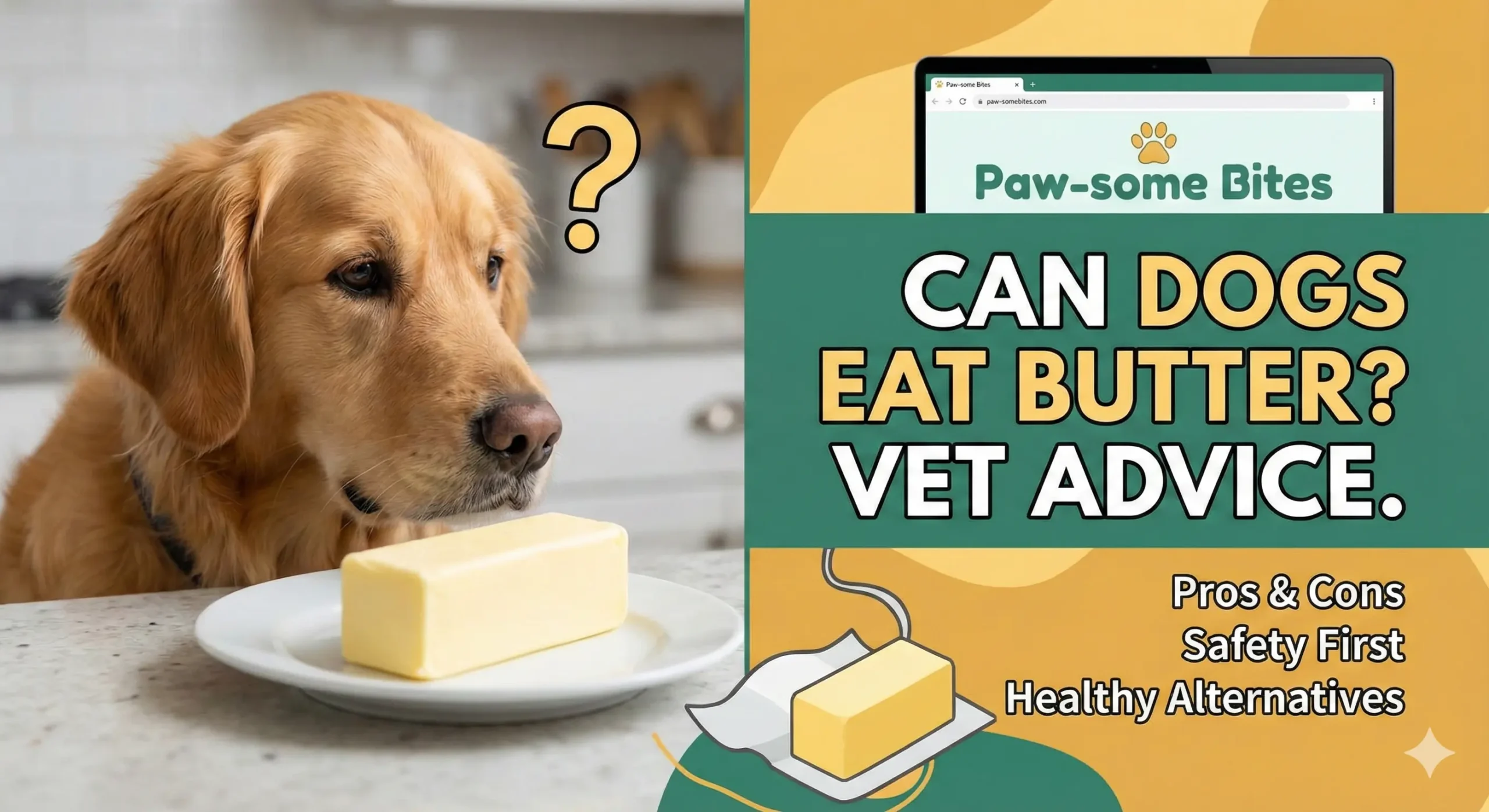
When it comes to sharing our food with our furry friends, many pet owners wonder about the safety of certain items. One question that arises is whether dogs can eat butter. Butter, a common dairy product, is enjoyed by many humans, but its suitability for dogs is a topic worth exploring.
While dogs can technically consume butter in small quantities, it is essential to understand both the potential risks and benefits associated with it. Butter is rich in fat and calories, which can lead to health issues if given frequently or in large amounts.
Understanding the Composition of Butter
Butter is primarily composed of fats, specifically saturated fats. Here’s a quick breakdown of its constituents:
- Fats: Approximately 80% of butter is fat.
- Water: About 16-17% water content.
- Milk solids: Contains proteins and lactose.
Potential Risks of Feeding Butter to Dogs
Although it may be tempting to share your buttered toast, there are several risks to consider:
- Obesity: Given its high-calorie content, butter can contribute to weight gain in dogs. Extra weight can result in health issues like arthritis and diabetes.
- Pancreatitis: High-fat foods can trigger inflammation of the pancreas. This serious condition can cause abdominal pain, vomiting, and lethargy.
- Upset Stomach: Intolerance to fats may lead to diarrhea or gastrointestinal upset, especially in dogs not accustomed to rich foods.
- Lactose Intolerance: Some dogs may be lactose intolerant, leading to digestive troubles when consuming dairy products.
Possible Benefits of Butter in Moderation
On the flip side, there are some potential benefits to small amounts of butter:
- Treat for Training: A small piece of butter can serve as an enticing treat during training.
- Flavor Enhancer: A dab of butter can make certain dog foods more palatable, encouraging picky eaters to finish their meals.
- Source of Omega Fatty Acids: Butter contains some beneficial fatty acids which can help maintain healthy skin and coat when consumed in very small amounts.
How Much Butter Is Safe for Dogs?
If you do decide to share butter with your dog, moderation is key. The general guideline is:
- Small dogs (up to 20 lbs): ¼ teaspoon.
- Medium dogs (21-50 lbs): ½ teaspoon.
- Large dogs (51 lbs and over): 1 teaspoon.
Always monitor your dog for any negative reactions, and consult your veterinarian if you are unsure about introducing butter into your pet’s diet.
Alternatives to Butter for Dogs
If you’re looking for ways to enhance your dog’s food or treat them without the risks associated with butter, consider these healthier options:
- Peanut Butter: A popular choice, ensure it does not contain xylitol, which is toxic to dogs.
- Broth: Low-sodium chicken or beef broth can add flavor without the fat.
- Pumpkin Puree: Great for digestion and low in calories.
Consult With a Vet
Always check with your veterinarian before making significant changes to your dog’s diet. They can provide tailored advice based on your pet’s specific health needs and conditions. You can also find more information on dog nutrition at American Kennel Club or Dog Food Advisor.
Butter into your dog’s diet can be done safely if approached with caution. However, being mindful of the risks and benefits helps ensure the well-being of your furry friend. Always stay informed and prioritize your dog’s health in every bite!
Healthy Treat Alternatives to Butter for Dogs
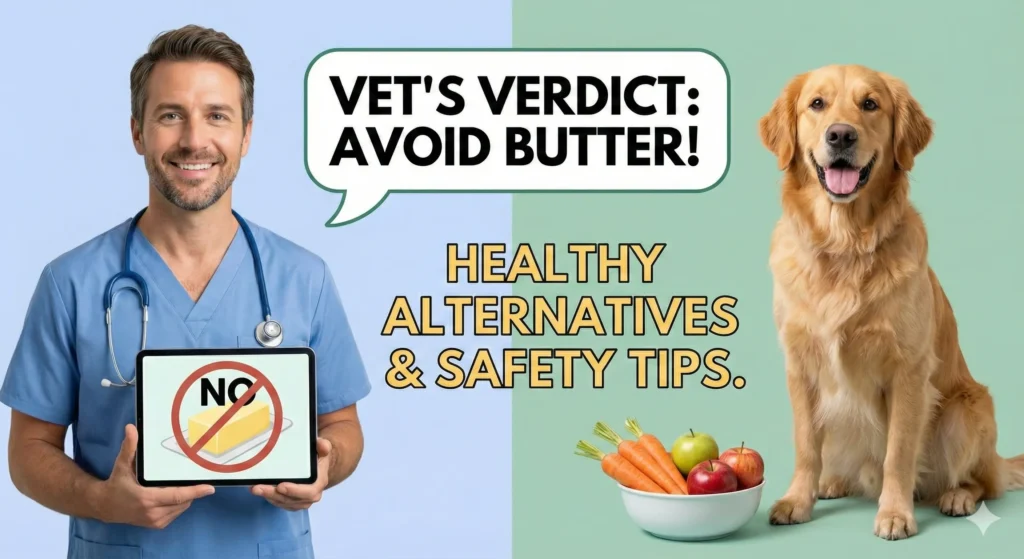
When it comes to treating your dog, you want to ensure that what you give them is both delicious and healthy. Butter, while tasty, is not necessarily the best option for your furry friend. Thankfully, there are numerous alternatives that pack flavor and nutrition without the potential drawbacks of butter. Here are some healthy treats your dog may enjoy as substitutes for butter.


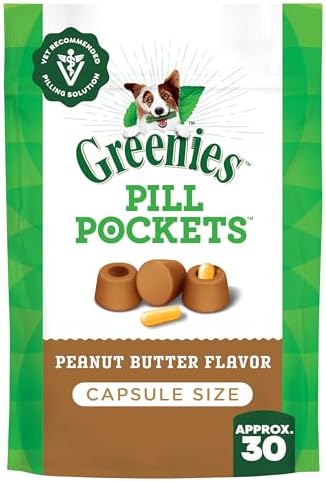
Peanut Butter
Peanut butter is a fan favorite among dogs. It’s a protein-rich snack that many dogs enjoy. However, ensure you use unsweetened and xylitol-free peanut butter. This sweetener is toxic to dogs. You can use peanut butter to fill toys or mix with other treats for added flavor.
- Look for brands that are all natural.
- Try mixing it with oats to make tasty treats.
Plain Greek Yogurt
Plain Greek yogurt is another excellent alternative. It is rich in protein and beneficial probiotics that support your dog’s digestive system. Just ensure the yogurt contains no added sugars or artificial sweeteners. Serving yogurt as a treat can be a delightful experience for your pup.
- Mix it with fruits like blueberries or bananas.
- Freeze yogurt in molds for a cool treat on hot days.
Mashed Sweet Potatoes
Sweet potatoes are not only delicious but also packed with vitamins, fiber, and antioxidants. They are a great option for your dog, and you can serve them mashed or baked. A simple recipe involves boiling sweet potatoes until tender, mashing them, and letting them cool before serving.
- Sweet potatoes help maintain healthy eyesight and digestion.
- You can develop various treats using sweet potato puree!
Apple Slices
Fruits can be a great option as well! Apples are rich in vitamins and fiber while providing a refreshing snack. Make sure to remove the seeds and core before offering them to your dog. This can be a crunchy and sweet treat that most dogs love.
- Combine apple slices with peanut butter for a tasty duo.
- Try freezing apple slices for a refreshing summer treat.
Carrots
Carrots are another healthy treat that is low in calories. They can help clean your dog’s teeth and are a source of essential nutrients. Dogs love to munch on raw carrots, and you can also cook them to soften them if they prefer that texture.
- Try carrot sticks as crunchy treats or blend into meals.
- Mix with peanut butter or yogurt for added flavor.
Commercial Dog Treats
If you prefer store-bought alternatives, there are many healthy dog treat options that mimic the richness of butter without its downside. Look for treats made with wholesome ingredients and no fillers. Brands focusing on natural recipes are often a good choice.
| Brand | Key Features |
|---|---|
| Blue Buffalo | Natural ingredients, grain-free options |
| Wellness | Whole food ingredients, no artificial flavors |
| Canidae | Single protein source, great for sensitive stomachs |
When choosing any dog treat, remember moderation is key. Even healthy treats can lead to weight gain if given in excess. Always consider your dog’s dietary needs and restrictions. Before introducing new foods, consult with your veterinarian to ensure they are suitable for your pup.
There are plenty of healthy alternatives to butter for dogs. ingredients like peanut butter, Greek yogurt, sweet potatoes, apples, and carrots can create a variety of tasty treats. These alternatives not only provide flavor but also contribute to your dog’s overall health. Visit AKC for more tips on what treats are best for your furry friend, or check out Humane Society for great homemade dog treat ideas.
The Role of Fats in Your Dog’s Diet
When it comes to your dog’s diet, fats play a critical role in ensuring their overall health and well-being. While many pet owners focus on proteins and carbohydrates, it’s essential not to overlook the importance of fats. Understanding how fats contribute to your dog’s nutrition can help you make informed choices about their diet.
Fats are a concentrated source of energy. When compared to proteins and carbohydrates, fats contain more than double the amount of energy per gram. This makes them vital for dogs, especially those with high energy needs, such as active breeds or working dogs. Moreover, fats support many bodily functions, from hormone production to cell structure.
Types of fats found in your dog’s food can be categorized into two main types: saturated and unsaturated fats. Saturated fats are typically solid at room temperature and are found in animal products like meat and dairy. Unsaturated fats, on the other hand, are usually liquid and originate from plants and fish. These fats are generally healthier and beneficial for your dog’s heart and skin.
- Saturated Fats
- Found in animal products such as fatty meat and butter.
- Can lead to health issues if consumed in excess.
- Unsaturated Fats
- Found in oils such as olive oil, canola oil, and fish oil.
- Support healthy skin, a shiny coat, and overall well-being.
A diet that includes an adequate amount of fat helps maintain a healthy coat and skin for dogs. Omega-3 and Omega-6 fatty acids, two types of unsaturated fats, are particularly beneficial. These essential fatty acids can be found in fish oils and certain plant oils. They are crucial for reducing inflammation and promoting heart health.
While fats are essential, moderation is key. Dogs, like humans, can gain weight if they consume too many calories, including those from fats. Obesity can lead to various health problems, including diabetes and joint issues. Therefore, balancing the fat intake in your dog’s food is vital. Here’s a quick reference for understanding the appropriate amount of fat in your dog’s diet:
| Dog Weight | Recommended Fat Intake (% of total calories) |
|---|---|
| Under 10 lbs | 30-40% |
| 10-20 lbs | 25-30% |
| 20-50 lbs | 20-25% |
| Over 50 lbs | 15-20% |
Moreover, not all fats are created equal. Some fats, like those found in processed foods, can be harmful to your dog’s health. It’s essential to choose high-quality fats from natural sources for your dog’s diet. Consulting with your veterinarian can provide more personalized recommendations based on your dog’s specific health needs and lifestyle.
You may wonder where to find high-quality fats for your dog’s diet. Common food sources include:
- Fish Oil: Rich in Omega-3 fatty acids, promoting skin and heart health.
- Flaxseed Oil: A plant-based source of Omega-3 fats, beneficial for dogs.
- Chicken Fat: A palatable source of energy that many dogs love.
Fats into your dog’s diet shouldn’t mean disabling their favorite meals. Opting for dog foods with balanced fat percentages ensures they receive the necessary nutrients. Always check the ingredient list and nutritional content to guarantee quality and the right balance for your pet.
To learn more about balancing fats in your dog’s diet, visit American Kennel Club and Puppy Culture.
Fats are an essential piece of your dog’s dietary puzzle. By understanding their role and choosing high-quality sources, you can help your furry friend lead a healthy, vibrant life. Always remember to consult with a veterinarian to find the right diet tailored specifically for your dog’s needs.
Signs of Fatty Food Intolerance in Dogs
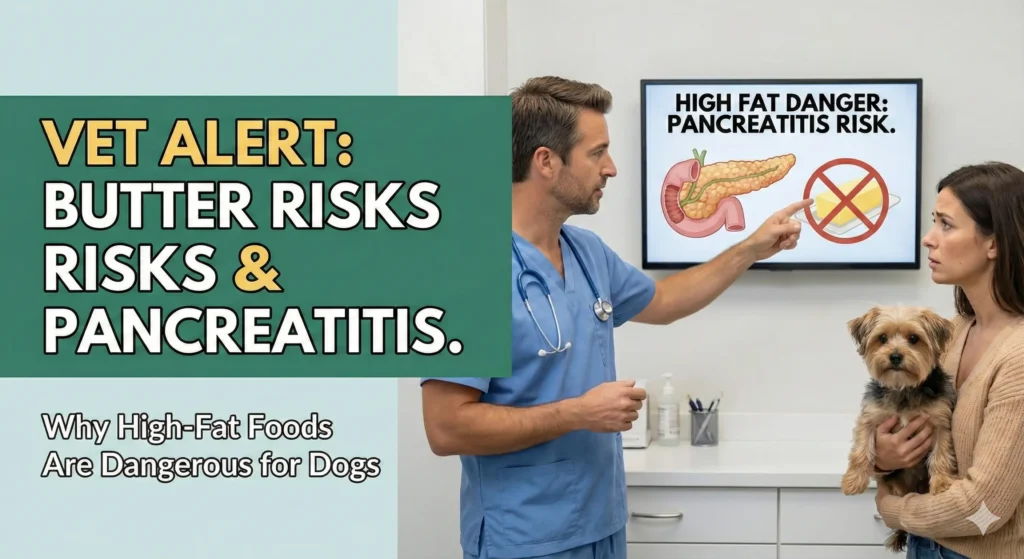
Fatty foods can sometimes lead to health issues for your furry friends. It’s essential for dog owners to recognize signs of fatty food intolerance so that you can help your pup stay healthy. Dogs are often curious and may sneak a taste of your food, including high-fat items. By understanding what to watch for, you can prevent any unpleasant reactions from your dog.


Common Signs of Fatty Food Intolerance in Dogs
Most dogs may handle an occasional fatty treat, but for some, it can result in uncomfortable symptoms. Watch for the following signs that may indicate your dog is having trouble digesting fatty foods:
- Vomiting: One of the most noticeable signs is vomiting, which can occur shortly after eating fatty foods.
- Diarrhea: Loose stools or diarrhea may signal your dog’s intolerance to high-fat foods.
- Abdominal Pain: If your dog is whining, whimpering, or is unusually restless, it could indicate abdominal discomfort.
- Lethargy: If your dog seems unenergetic, this could be a response to poor digestion of fatty food.
- Excessive Gas: Flatulence can occur when your dog cannot properly digest fatty substances.
- Loss of Appetite: Some dogs might refuse to eat after consuming something that doesn’t sit well with them.
Why Are Fatty Foods Problematic?
Dogs have different digestive systems compared to humans. While some fats are essential for their diet, high-fat foods can lead to obesity, pancreatitis, and other health issues. Understanding how fat affects your dog’s health can help you make better choices regarding their diet.
Fatty food intolerance can make your dog feel sick. This condition happens when your dog’s intestines struggle to break down fat. If this becomes a pattern, it might lead to serious issues, making it vital to adjust their diet accordingly.
Identifying and Managing Fatty Food Intolerance
If you suspect your dog has a fatty food intolerance, there are steps to take to identify the issue and help your pet feel better:
- Keep a Food Diary: Track what your dog eats and their reactions. This will help identify patterns between certain foods and their symptoms. Tools like PetMD offer resources for keeping a dog food diary.
- Consult Your Vet: If your dog shows persistent symptoms after eating fatty foods, consult with your veterinarian. They can help determine the best course of action and may suggest dietary changes.
- Consider a Low-Fat Diet: Discuss with your vet about transitioning to a low-fat dog food, which may help your dog avoid intolerance symptoms. Websites like American Kennel Club offer tips on choosing the right nutrition for your specific breed.
Foods to Avoid
Understanding which foods to keep away from your pup can be crucial in managing their health:
| Food | Why to Avoid |
|---|---|
| Fried Foods | High in unhealthy fats that can lead to digestive issues. |
| Certain Meat Cuts | Fatty cuts like bacon are hard on your dog’s digestive system. |
| Cheese | High-fat content can lead to gastrointestinal upset. |
| Butter and Cream | Both can significantly upset your dog’s stomach. |
Recognizing signs of fatty food intolerance in dogs is essential for maintaining their health and wellbeing. By being aware of the symptoms, adjusting their diet, and consulting with a vet, you can help your pup avoid discomfort. Always consider their unique nutritional needs to ensure they stay happy and healthy for years to come. For more insights, you might want to visit resources like Feed My Pet, which provides guidelines on pet nutrition.
How to Safely Incorporate Human Foods into Your Dog’s Diet


As a dog owner, you might wonder how to safely share your meals and snacks with your furry friend. While many human foods can be beneficial to your dog’s health, others can be harmful. Therefore, understanding how to incorporate these foods into your dog’s diet safely is crucial. Following a few simple guidelines can help you make informed choices when introducing new food items to your dog’s menu.
Understanding Safe Human Foods
Not all foods that are safe for humans are safe for dogs. It’s essential to do your research before sharing anything with your pet. Here’s a list of some safe human foods that your dog might enjoy:
- Carrots: Crunchy and sweet, carrots are low in calories and high in vitamins.
- Apples: Apples are a good source of vitamins A and C. Just make sure to remove the seeds.
- Cooked chicken: Plain, cooked chicken is a great source of protein.
- Green beans: Low in calories and high in fiber, green beans can be a healthy snack.
- Peanut butter: Most dogs love this treat, but make sure it doesn’t contain xylitol, which is toxic to dogs.
Consult Your Vet
Before making any changes to your dog’s diet, it’s always best to consult with a veterinarian. They can provide personalized advice based on your dog’s age, weight, and health condition. Some dogs may have food allergies or sensitivities that require careful consideration when introducing new foods.
Start Slow
When trying to introduce new human foods, it is essential to start slowly. Here’s a simple method you can follow:
- Choose one food: Select a safe human food you want to introduce.
- Introduce in small amounts: Start with a small bite or two. Watch your dog’s reaction for any negative effects.
- Monitor for reactions: Keep an eye on any changes in your dog’s behavior or health after introducing the new food.
- Increase gradually: If all goes well, you can gradually increase the amount over time.
Avoid Dangerous Foods
While some foods are safe for dogs, others can pose serious health risks. Here are some common human foods that you should always avoid:
- Chocolate: Chocolate is highly toxic and can lead to serious health issues.
- Onions and garlic: Both can cause gastrointestinal upset and more severe health complications.
- Grapes and raisins: These can lead to kidney failure in some dogs.
- Xylitol: This artificial sweetener is extremely toxic and can cause liver failure.
Portion Control is Key
Even safe human foods should only be offered in moderation. Treats, including human food, should make up no more than 10% of your dog’s daily caloric intake. Overfeeding can lead to obesity and related health issues. Here’s a simple table to help you estimate portion sizes:
| Dog Weight (lbs) | Treat Size (oz) |
|---|---|
| 10 | 0.5 |
| 20 | 1.0 |
| 30 | 1.5 |
| 40 | 2.0 |
| 50+ | 2.5 |
Human foods into your dog’s diet doesn’t have to be complicated. By understanding which foods are safe and taking a gradual approach, you can positively enhance their nutrition. Always remember to consult with your vet beforehand to ensure your dog’s health and safety.
For more detailed information on dog nutrition, visit AKC Nutrition or ASPCA Pet Care. Educating yourself can ensure a happy and healthy life for your dog!
Conclusion
Deciding whether your dog can eat butter involves understanding both the potential benefits and the risks associated with such a fatty treat. While butter may not pose an immediate threat to every dog, it is crucial to consider how it fits into your pet’s overall diet. Healthy alternatives like peanut butter or plain yogurt can provide suitable options without the added risks.
Fats play a vital role in your dog’s nutrition, offering essential fatty acids and energy, but moderation is key. Knowing your dog’s tolerance to fatty foods can help you avoid issues such as gastrointestinal upset or pancreatitis. Keep an eye out for signs of intolerance, including vomiting or diarrhea, and always consult your vet if you notice concerning symptoms.
Human foods into your dog’s diet should be done carefully. Always introduce new foods gradually and in small amounts. Observe your dog’s reaction to any new treat, ensuring it promotes well-being rather than harm. With thoughtful choices and an awareness of your dog’s unique dietary needs, you can safely share the joy of food without compromising their health. Remember, your dog’s happiness and health should always take priority when choosing any treat, including those that may tempt you to share from your own plate.